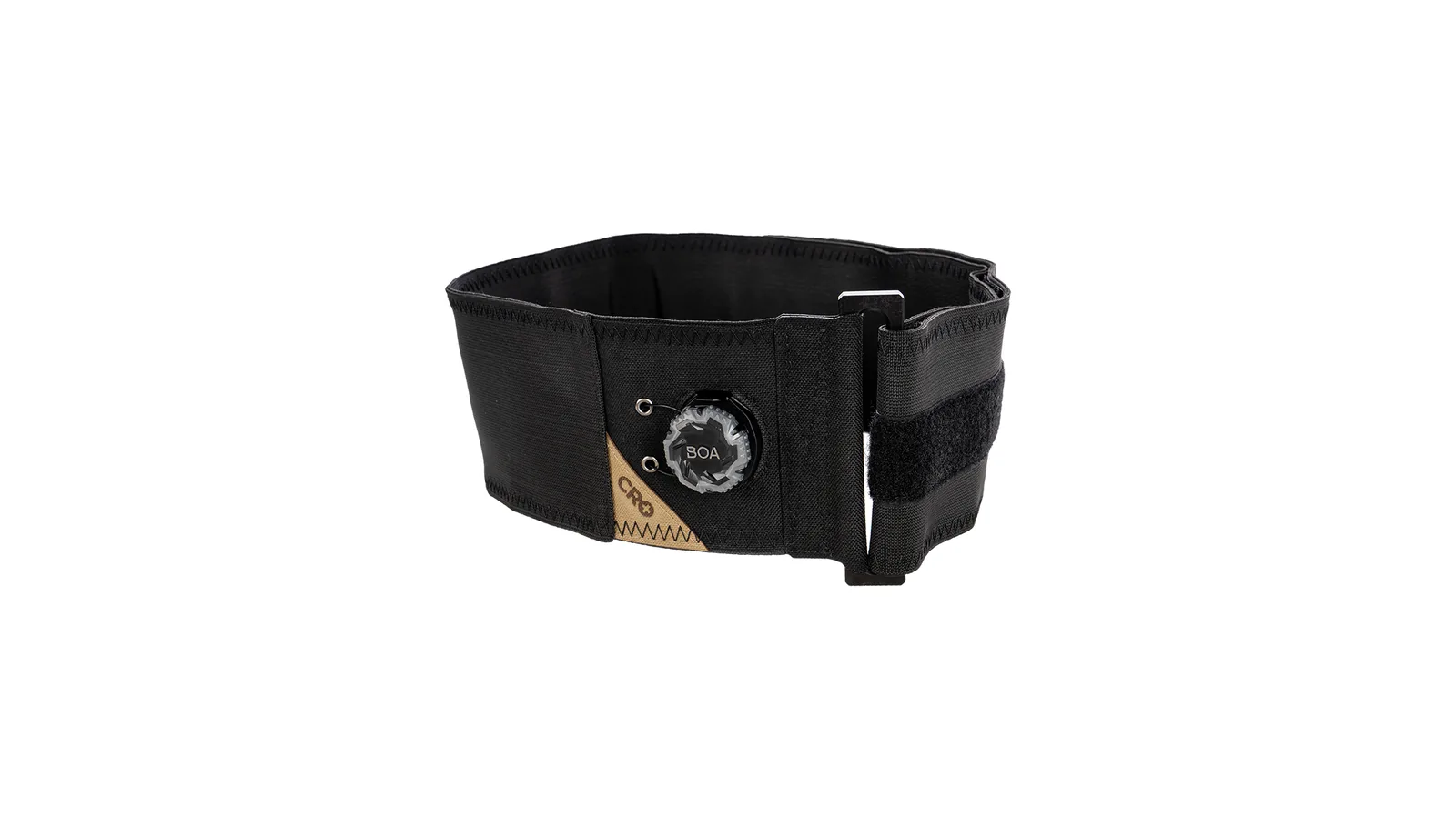
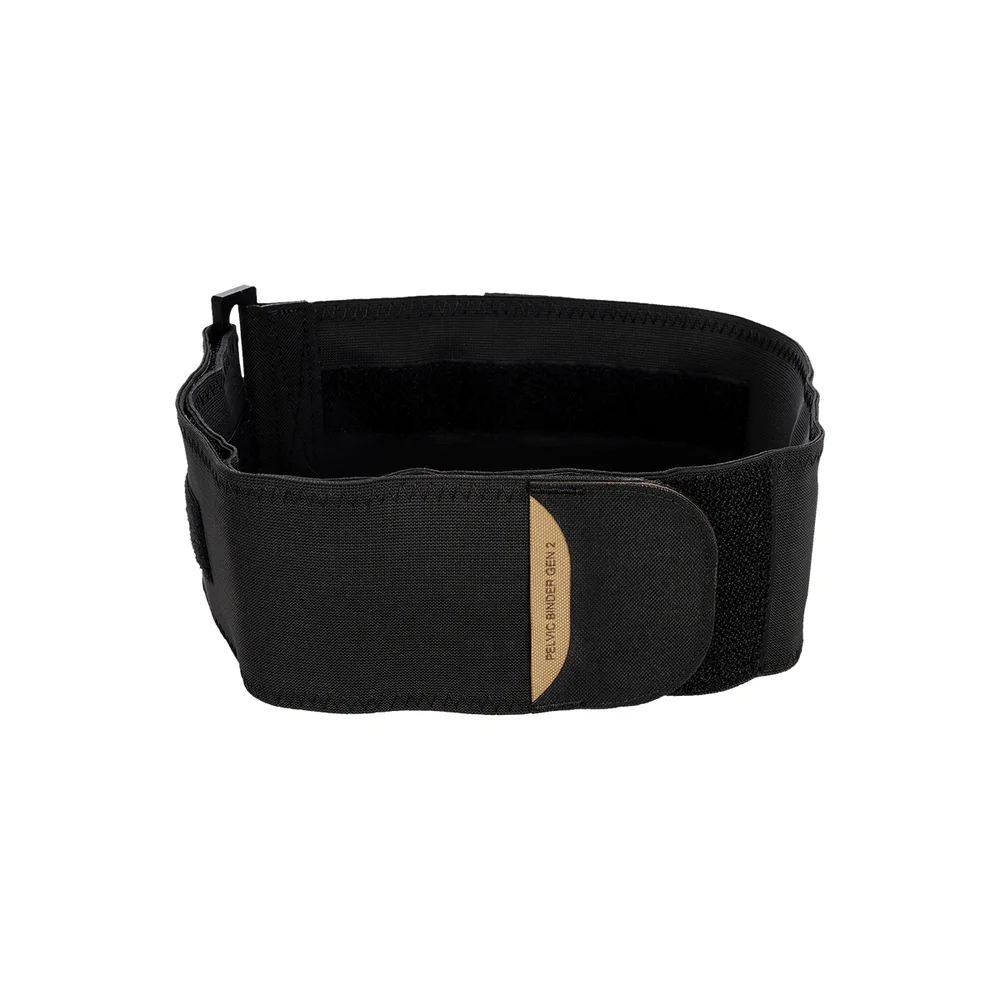
A pelvic binder is a circumferential compression device built to reduce and stabilize an open-book pelvic fracture, the kind of injury seen after a blast, a fall from height, a high-speed crash or any blunt mechanism that drives the pelvic ring apart. Applied correctly, it closes that ring enough to slow the bleeding a pelvic fracture causes, without the bulk or guesswork of improvised wrapping. TreeTac supplies the CRO Medical Pelvic Binder, a compact, one-handed device built around a patented ratcheting dial, as the pelvic fracture binder we recommend for a trauma bag, an aid station or a vehicle kit. This page covers what the device does, why the greater trochanters are the landmark, how pelvic binder application works step by step, and how the CRO Medical binder is packed and deployed.
- What a Pelvic Binder Does for a Suspected Pelvic Fracture
- Why the Greater Trochanters Are the Landmark
- How to Apply a Pelvic Binder
- How the CRO Medical Pelvic Binder Is Packed and Deployed
- Where a Pelvic Binder Fits in a Trauma Bag or Vehicle Kit
- Common Pelvic Binder Placement Mistakes
- Frequently Asked Questions About Pelvic Binders
What a Pelvic Binder Does for a Suspected Pelvic Fracture
An unstable pelvic fracture opens the pelvic ring and exposes the venous plexus and the vessels around the sacroiliac joints to bleeding that direct pressure cannot reach. Tactical Combat Casualty Care (TCCC) places pelvic binding under Circulation in the MARCH sequence, alongside tourniquets and hemostatic dressings, because this is noncompressible hemorrhage: the source is inside the pelvis, not on the skin. A pelvic binder, sometimes called a pelvic sling, closes that ring from the outside. It does not stop bleeding the way a tourniquet does. It reduces the volume the pelvis can hold and limits further displacement of the fracture, which slows blood loss and reduces pain with movement during evacuation.
The reason this device earns a fixed place in a MARCH-aligned trauma bag, rather than an optional add-on, is in the casualty data behind the guideline.
of U.S. service members who died during Operation Iraqi Freedom and Operation Enduring Freedom had a pelvic fracture, according to the data cited in the TCCC guideline change on pelvic binders. That single figure is why pelvic binding sits inside the Circulation step of MARCH rather than as a nice-to-have in the bag.
Source: TCCC Guidelines Change 1602, NAEMT
That is also why mechanism of injury matters as much as what you can see on exam. A casualty with a blast injury, a fall from height, a vehicle or motorcycle crash, or a crush mechanism and pain, instability or bruising over the pelvis is a candidate for binding before you have a confirmed fracture. Waiting for imaging in the field is not the standard; waiting for a clear mechanism and exam finding is.
Why the Greater Trochanters Are the Landmark
Every pelvic binder, regardless of brand, works only if it sits in the right place. The landmark is the greater trochanters, the bony prominences you can feel on the outside of each hip, not the iliac crest higher up on the waist. Binding over the iliac wings compresses the wrong part of the pelvis and can fail to reduce an open-book fracture at all.
Clinical reviews of pelvic binder placement have repeatedly found this exact error: binders applied too high, over the ilium, instead of centered on the greater trochanters. The fix is procedural, not a matter of a better buckle. The binder has to be passed behind the thighs first, then slid upward along the legs until it seats snugly at the trochanters, before it is tightened.
The difference between the two positions is easier to see on the body than to describe in words.
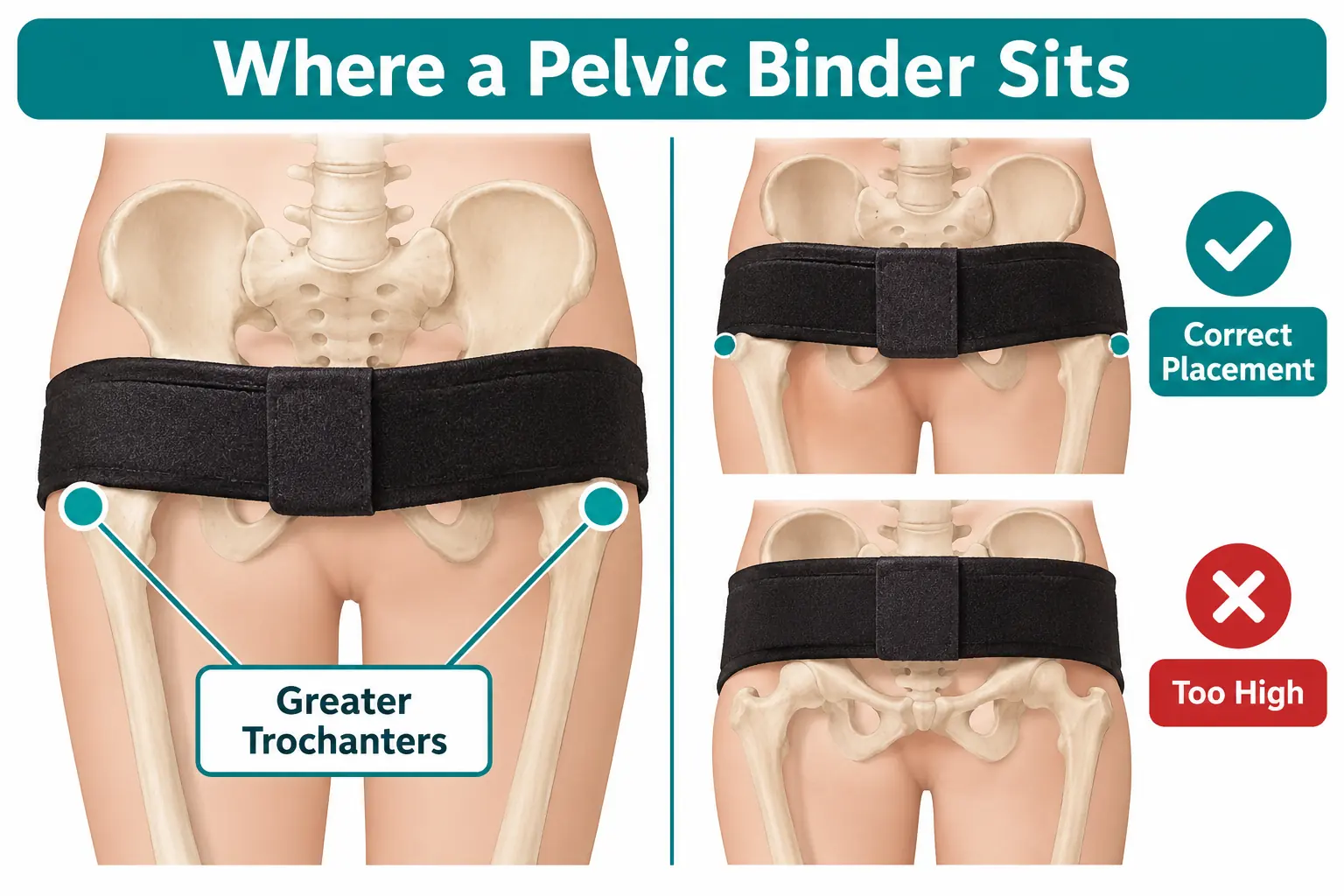
Once you can see where the trochanters sit relative to the belt line, correct placement becomes a habit your team builds in training, not something worked out at the scene.
How to Apply a Pelvic Binder
Pelvic binder application follows the same order regardless of which device your team carries. Treat it as a skill, the same way TCCC and Stop the Bleed treat tourniquet application: rehearsed, not improvised.
- Expose the hips. Cut or move clothing out of the way so you can feel the greater trochanters and are not binding over a belt, holster or pouch.
- Pass the binder behind the legs. Slide it under both thighs with the casualty’s legs together, then bring it up and around the pelvis.
- Position at the greater trochanters. Slide the strap up the legs until it sits over the trochanters, not the iliac crest, and center it front to back.
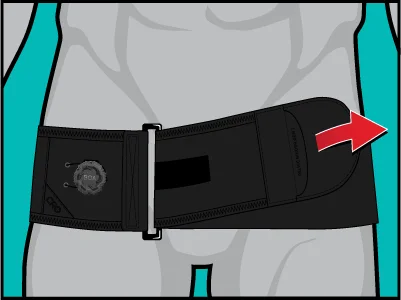
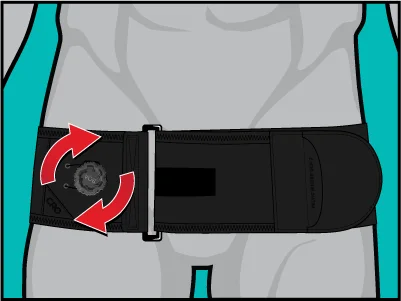
- Tighten to the target tension. Pull or ratchet the device until you feel resistance and the casualty’s legs rotate slightly inward, a sign the pelvic ring is closing.
- Secure and reassess. Check that the binder has not slipped, then reassess distal pulses and perfusion in both legs before and after you move the casualty.
Once the binder is on, avoid loosening it to re-examine the injury. Reopening a closed pelvic ring to look at it undoes the reduction you just achieved.
How the CRO Medical Pelvic Binder Is Packed and Deployed
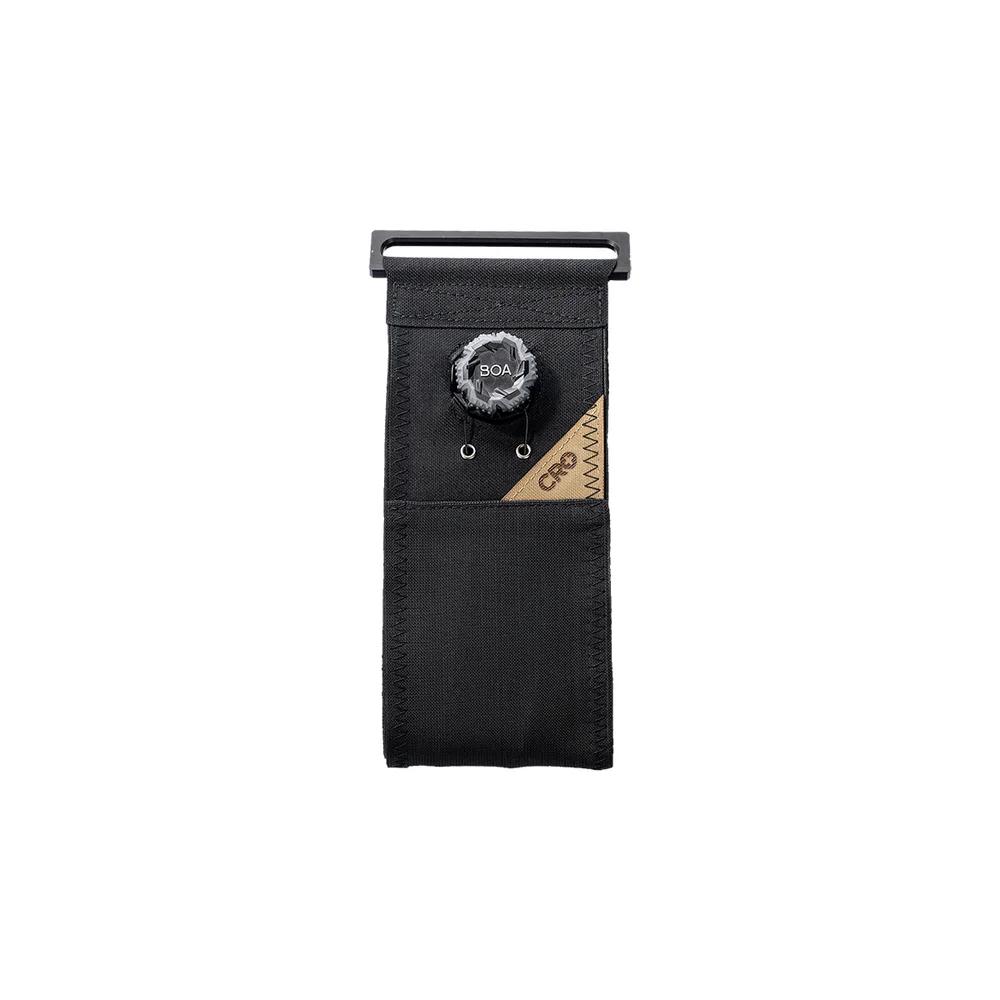
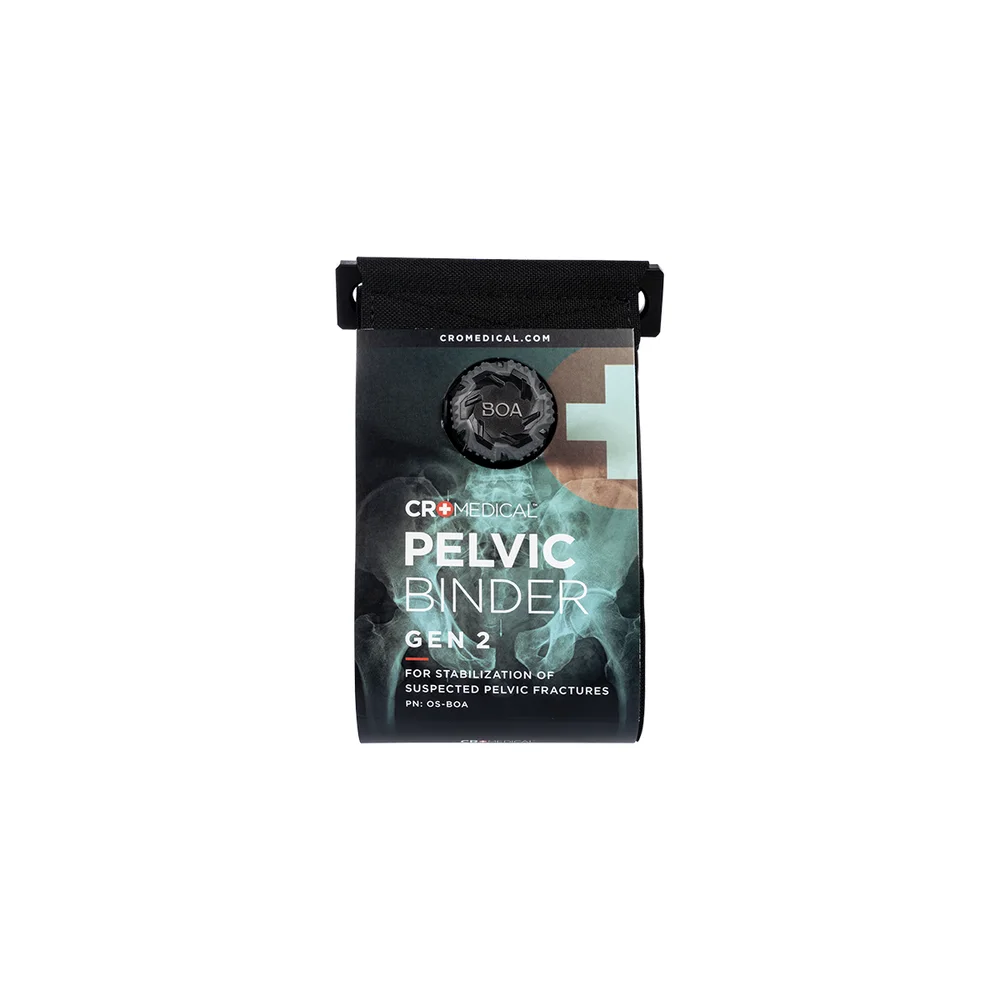
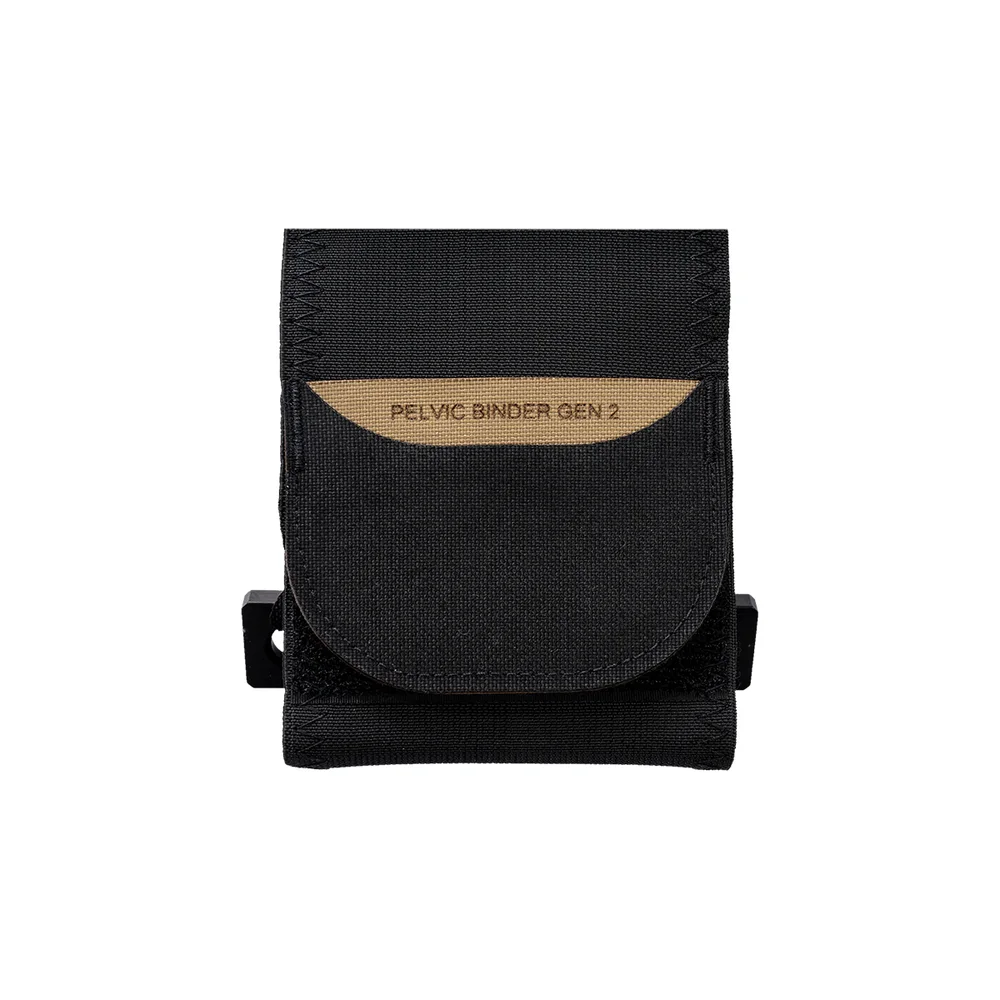
The CRO Medical Pelvic Binder is built around a patented one-handed ratcheting dial system, which matters when your other hand is holding pressure on something else or you are working alone. The dial is tactile enough to operate in low light or no light, so you are not hunting for a buckle by headlamp.
The specifications below are from the CRO Medical product page and cover what a procurement officer or team lead needs to standardize the device across a kit.
| Specification | Detail |
|---|---|
| Tightening system | Patented one-handed ratcheting dial, operable in low light or no light |
| Standard sizing | Fits approximately 32 to 50 inch hips, sized to fit roughly 95 percent of users |
| Packed footprint | Approximately 6.5 x 1.5 x 3 inches, about half the bulk of comparable binders |
| Construction | Water-resistant, compact four-inch double-back wrap |
| Warranty | Lifetime warranty on the device |
That footprint is the point. A device this flat fits a MARCH belt, a thigh pocket or the top compartment of a trauma bag without taking the space of two other items.
Where a Pelvic Binder Fits in a Trauma Bag or Vehicle Kit
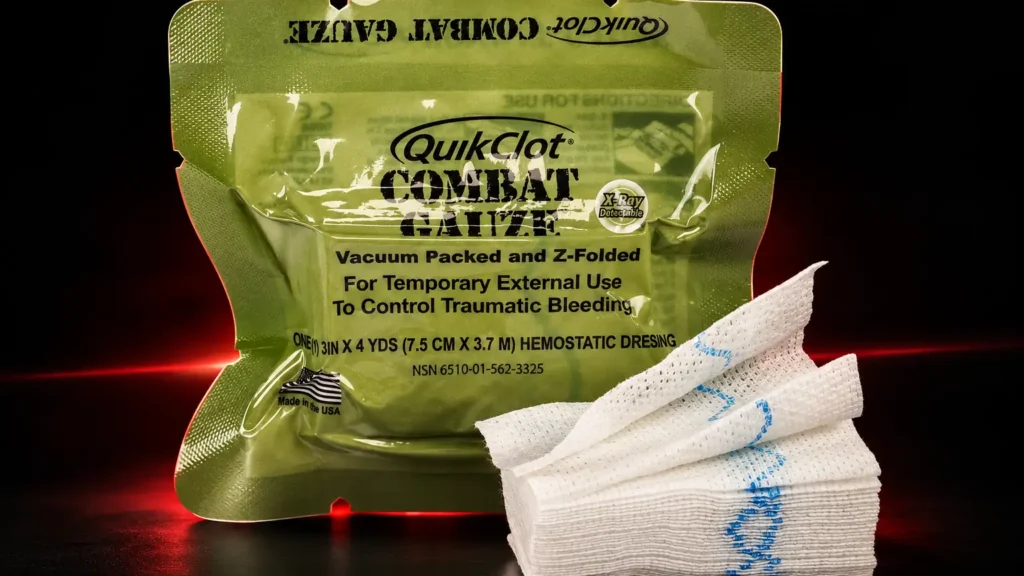
A pelvic binder earns its place next to the gear a medic already reaches for first. In a MARCH-organized bag, it sits alongside a Combat Application Tourniquet (C-A-T) and QuikClot Combat Gauze for massive hemorrhage, and a HyFin Vent Chest Seal for the Respiration step, so a medic moving through the sequence is not searching a different pouch for each tool. In a vehicle kit, it belongs in the same compartment as the rest of the hemorrhage control gear rather than buried with splints and bandaging that gets used later in the call.
If you are standardizing a loadout rather than buying one item at a time, start from the full range of TreeTac’s equipment and gear and build the kit around the sequence your team trains to, not around what happens to be on the shelf.
Common Pelvic Binder Placement Mistakes
A trauma pelvic binder is simple to apply, which is exactly why it gets applied carelessly under stress. The errors below show up often enough in training and after-action review to be worth calling out specifically.
Placing the binder high on the waist instead of at the greater trochanters, leaving it over bulky clothing or gear so it cannot seat properly, loosening it to re-examine the injury once it is tightened, and skipping the distal pulse check before and after application. Each of these either weakens the reduction or hides a change in the casualty’s circulation. Follow your protocols and medical direction.
None of these are failures of the device. They are failures of repetition, which is the gap that scenario-based training closes.
Frequently Asked Questions About Pelvic Binders
Standardize Pelvic Binders Across Your Team
Tell us what your unit needs, from a single CRO Medical Pelvic Binder to a full kit standardized across a service, and TreeTac will come back with the right configuration and an official quote. Ask about training and simulation options for your team so pelvic binder application becomes muscle memory, not a guess made under stress.