

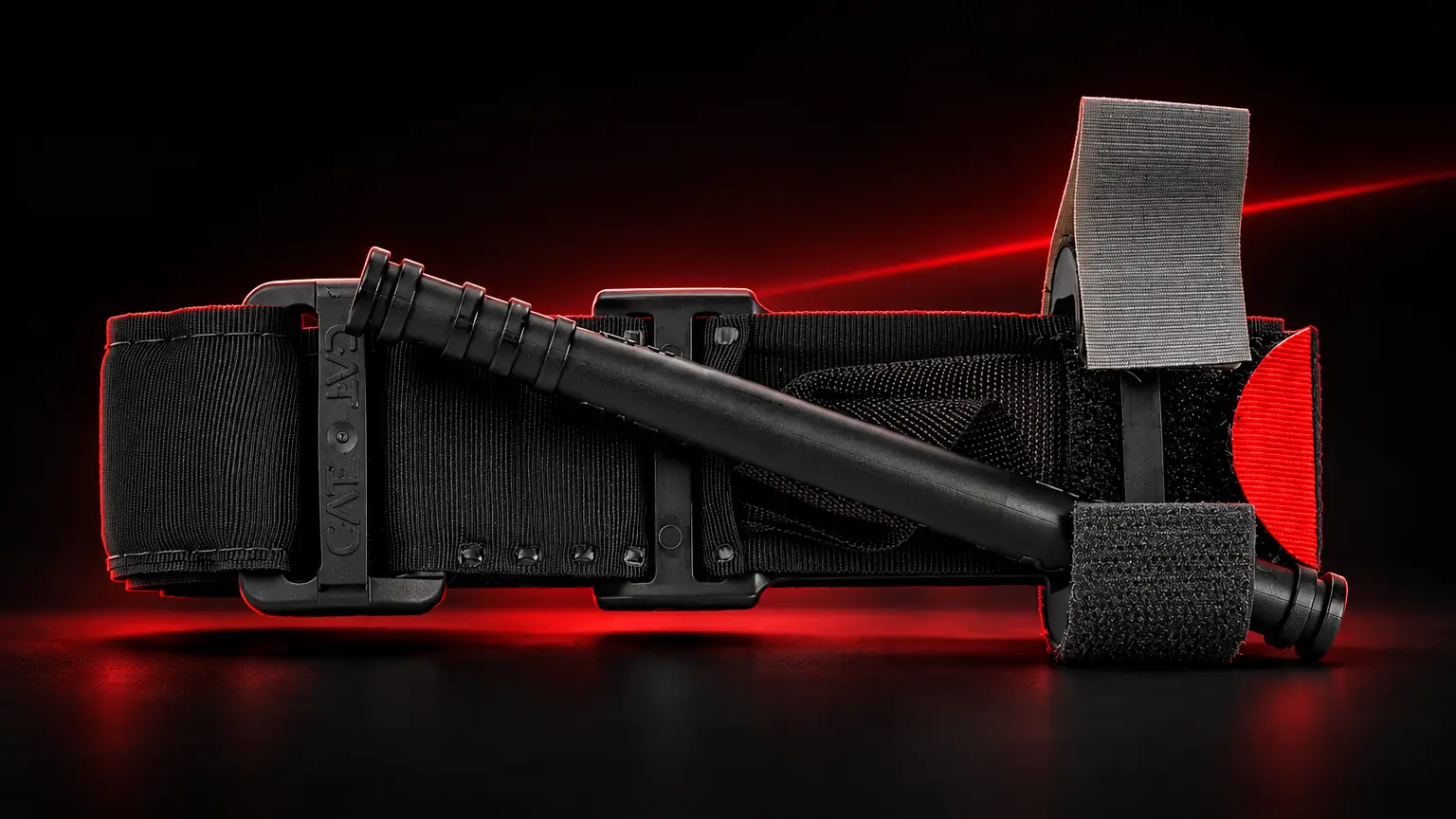
The C-A-T, or Combat Application Tourniquet, is the limb tourniquet most medics picture when they hear the words CAT tourniquet. North American Rescue (NAR) builds it around a single routing buckle, a reinforced windlass rod, and a windlass clip that locks under tension, so one device covers both one-handed and two-handed application. TreeTac supplies the current production version, Gen 7, as an official NAR equipment partner, for units that need the same tourniquet in every IFAK, belt pouch and vehicle kit. This page covers how the C-A-T is built, where to carry it, how to source genuine units instead of counterfeits, and how to pair it with a trainer so the skill stays sharp.
- What the C-A-T Is and Why Teams Standardize on It
- Windlass and Strap Design: How the C-A-T Works
- C-A-T Gen 7 Specifications
- Where Your Team Carries the C-A-T
- Standardizing One C-A-T Model Across Your Team
- Buying From an Authorized Source
- Training With the C-A-T: Pairing the Device With a Trainer
- FAQs About the C-A-T Combat Application Tourniquet
What the C-A-T Is and Why Teams Standardize on It
The Combat Application Tourniquet is a windlass tourniquet built to stop life-threatening bleeding from an arm or leg wound when direct pressure alone will not hold. It compresses the limb circumferentially, cutting off blood flow below the point of application, and it is designed for a single operator to apply under stress, in the dark, or with one hand. North American Rescue is the manufacturer, and TreeTac supplies the C-A-T as part of its equipment and gear catalog, alongside the rest of the NAR line.
Why this single piece of gear gets so much attention in TCCC (Committee on Tactical Combat Casualty Care) and Stop the Bleed training is simple: the window on a major limb bleed is short, and a tourniquet is one of the few interventions a non-surgeon can apply correctly in seconds.
of civilian trauma deaths are attributable to hemorrhage. That is why TCCC and Stop the Bleed both treat a limb tourniquet as frontline equipment rather than a specialist tool, and why a device that is fast to apply correctly, like the C-A-T, only matters if it is standardized, carried where the casualty can reach it, and practiced regularly.
Source: American College of Emergency Physicians
That is the case for standardizing on the C-A-T specifically: it is built around one application protocol, so the training your team runs today still applies to the tourniquet in their kit next year.
Windlass and Strap Design: How the C-A-T Works
Every generation of the C-A-T uses the same basic mechanism, and understanding it is what makes the device fast under pressure instead of fumbled. A single strap routes through a buckle and wraps the limb above the wound, and the single routing buckle removes slack in one motion instead of several, which is part of why NAR built Gen 7 around it.
Once the strap is snug, the windlass rod does the actual work of occluding blood flow. Turning the rod twists the strap tighter around the limb until bleeding stops, and the reinforced rod and aggressive ribbing on Gen 7 are there so a gloved, cold or bloody hand can still get a grip. The windlass clip then locks the rod in place from either side, so the device can be finished one-handed regardless of which hand is free. The final step is also the easiest one to skip under stress: writing the time of application on the windlass strap, which every casualty handoff downstream depends on to know how long the limb has been without blood flow.
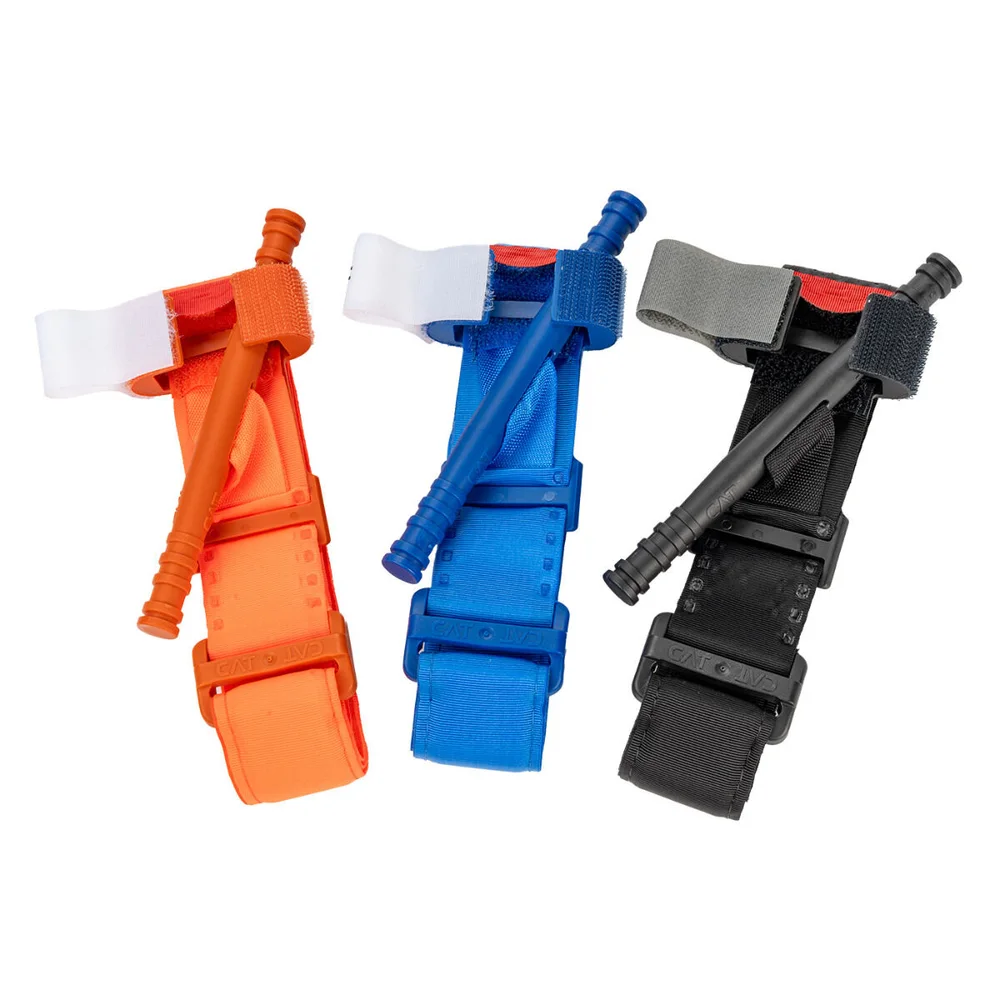
Laid out side by side, the parts of the C-A-T are easier to recognize at a glance, and that recognition matters the first time your medics open a pouch they did not pack themselves.
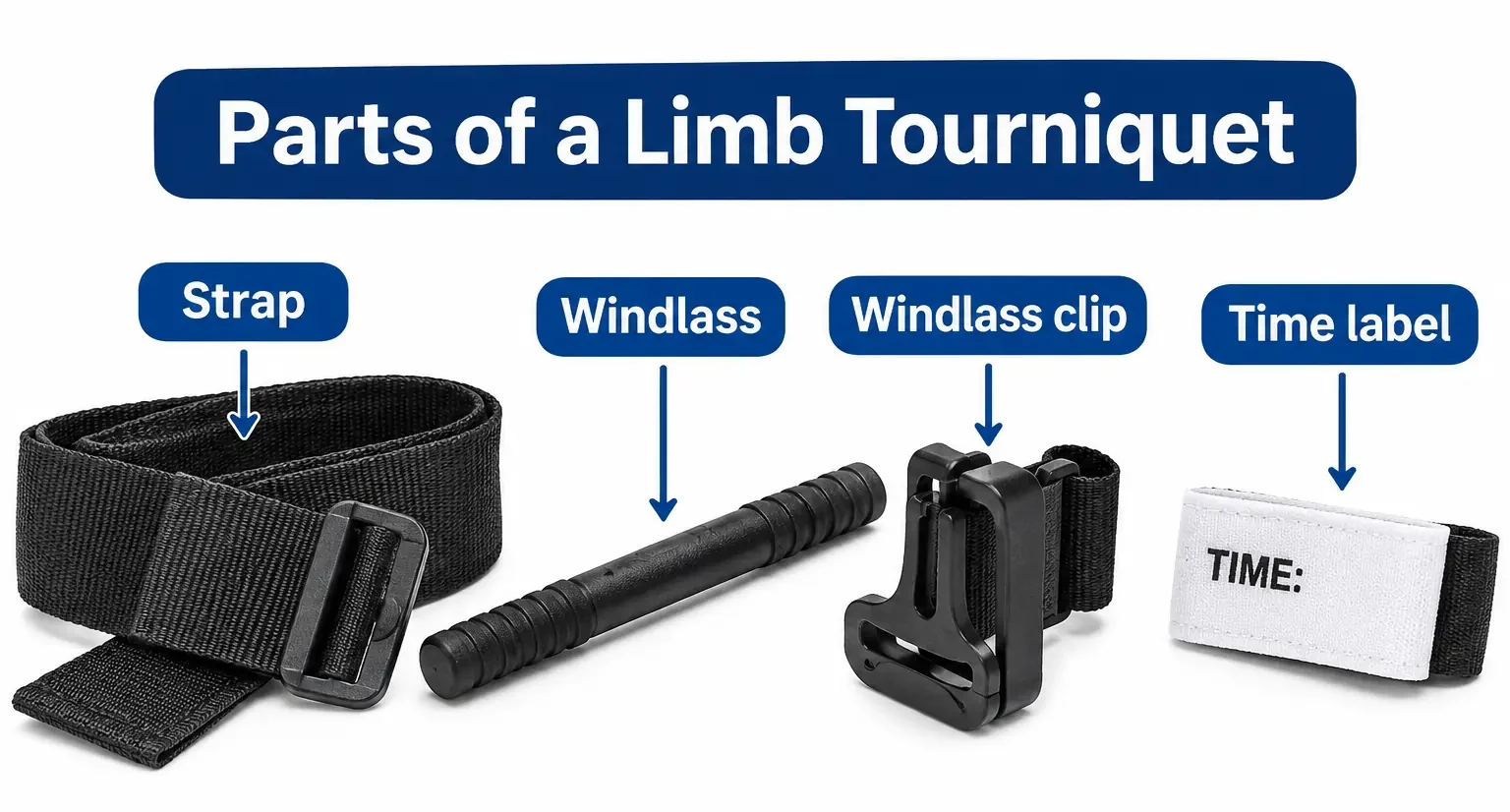
None of these parts does much on its own. The strap without tension does not occlude anything, and a windlass with no clip to lock it will loosen the moment the casualty is moved. That is the argument for training on the whole sequence, not memorizing the pieces in isolation.
C-A-T Gen 7 Specifications
The current production version is Gen 7, and NAR publishes the specifications your procurement team will want on file:
- Packaged size: 6.5 in. x 2.4 in. x 1.5 in.
- Open length: 37.5 in.
- Strap width: 1.5 in.
- Weight: 2.7 oz.
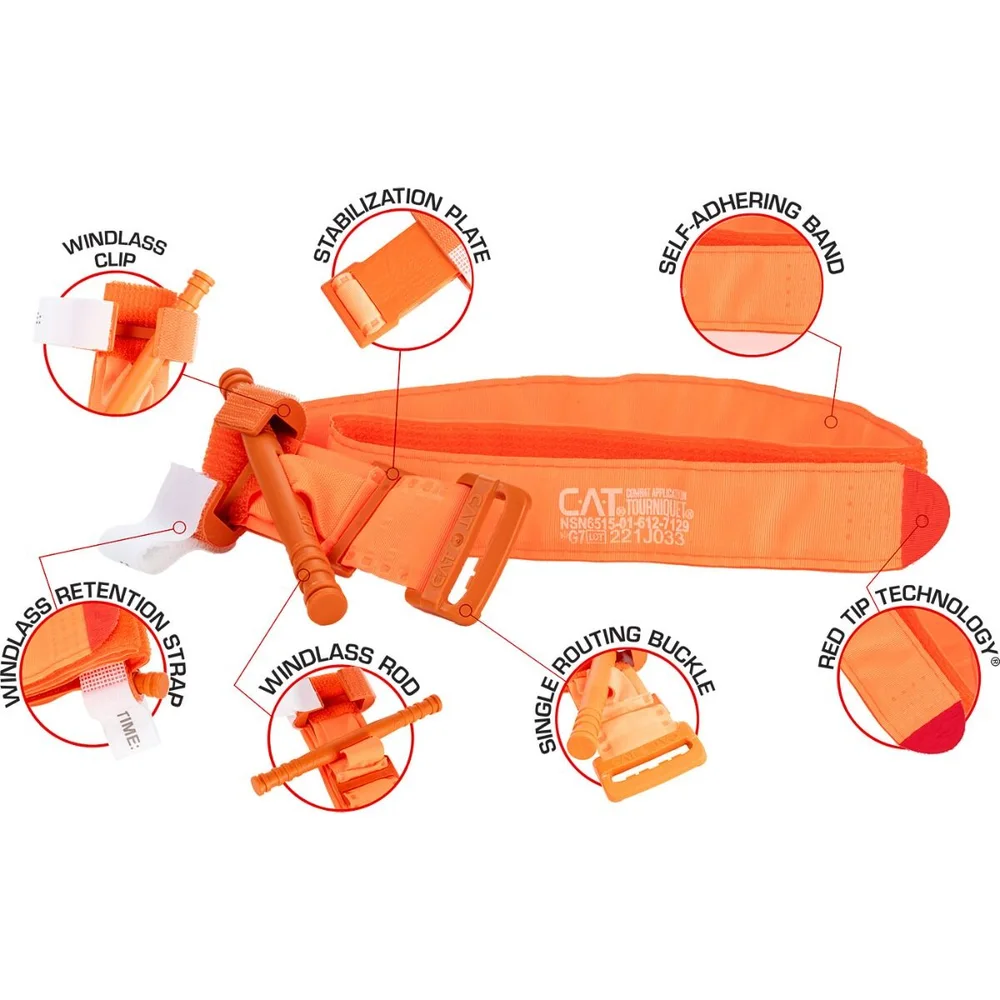
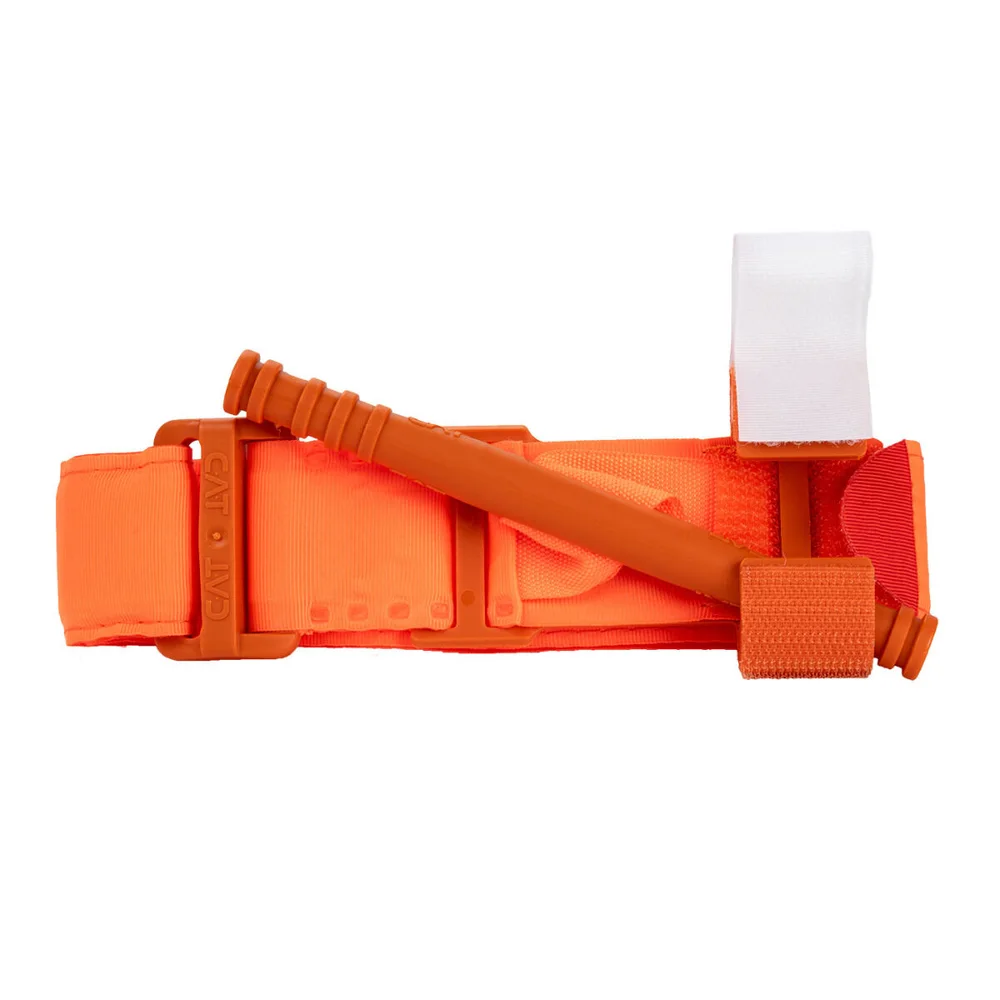
Gen 7 keeps the single routing buckle and adds a reinforced windlass rod with a larger diameter and more aggressive ribbing, a bilateral windlass clip that locks from either side, and a windlass strap that is sonic welded to the clip for a more secure, constant-contact fit. If your team is still issuing an earlier generation, the overall dimensions are close enough that most pouches and holders do not need to change, but the clip and strap attachment are different enough that it is worth training on a Gen 7 unit specifically before you standardize on it.
Where Your Team Carries the C-A-T
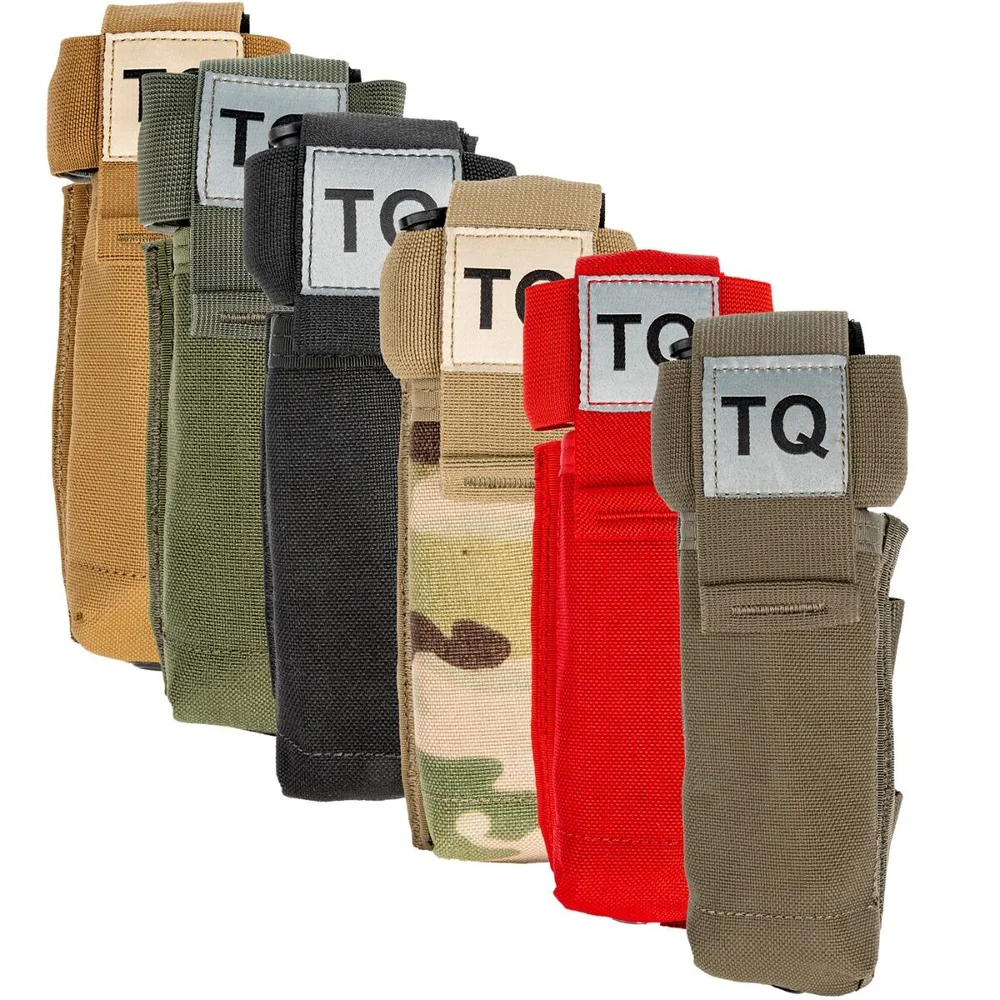
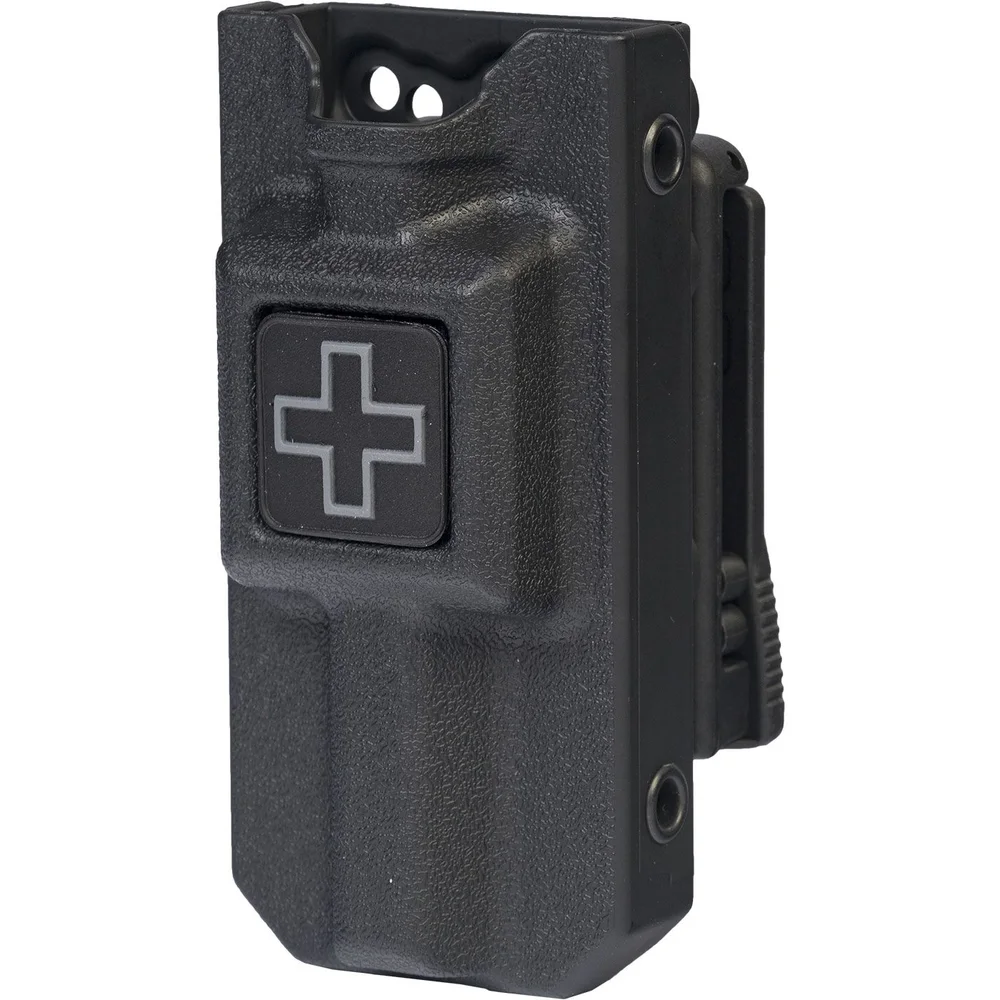
A tourniquet that is not where the casualty’s hand can reach it is not much different from one that was never issued. Most individual first aid kits (IFAKs) carry at least one C-A-T, positioned for one-handed self-application, which is why the single routing buckle and bilateral windlass clip matter as much as they do.
Beyond the IFAK, a second C-A-T can sit on the battle belt or duty belt, outside the IFAK pouch, so a teammate does not have to open someone else’s kit to reach it. Vehicles and aid bags can carry additional units for care under fire or when there is more than one casualty, since TCCC addresses tourniquet application per injured limb rather than per person. Wherever the C-A-T is carried, it needs a dedicated pouch or holder, not a pocket, so it comes out the same way every time, under the same amount of light and the same amount of pressure.
Standardizing One C-A-T Model Across Your Team
TCCC and Stop the Bleed both put hemorrhage control in the hands of whoever reaches the casualty first, which means that person may not be the one who packed the kit. Standardizing on one tourniquet, one generation, and one application protocol across every IFAK, belt and vehicle kit removes a layer of decision-making at exactly the moment your team has no time for it.
That standardization is also what makes training transferable. When every medic on the team drills the same C-A-T Gen 7, in the same orientation, with the same windlass clip, a team member who trained elsewhere is not learning a second protocol from scratch. If you are still working out what a standardized kit should include, our overview of NAR equipment and gear is a useful place to start building it around a consistent set of devices.
Buying From an Authorized Source
North American Rescue has identified counterfeit tourniquets on the market that use the C-A-T name and trademarks without authorization, and some of these have failed during real-world use rather than training. A device that looks identical in a photo is not the same as one that has been through NAR’s own manufacturing and quality process, and the difference only shows up at the moment it is asked to hold under tension on a real limb.
Buy the C-A-T only from NAR directly or from an authorized NAR equipment partner. If a listing does not identify where the device came from, do not issue it to your team, and do not stock it for a real casualty.
TreeTac is an official NAR equipment partner, which means every NAR C-A-T tourniquet supplied through TreeTac traces back to NAR’s own production, not a secondary marketplace listing.
Training With the C-A-T: Pairing the Device With a Trainer
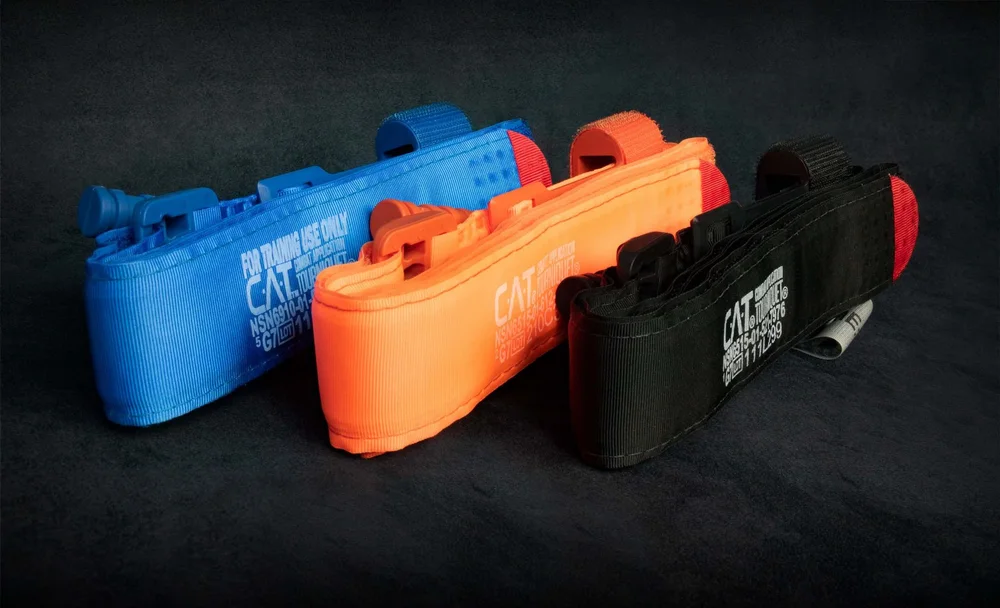
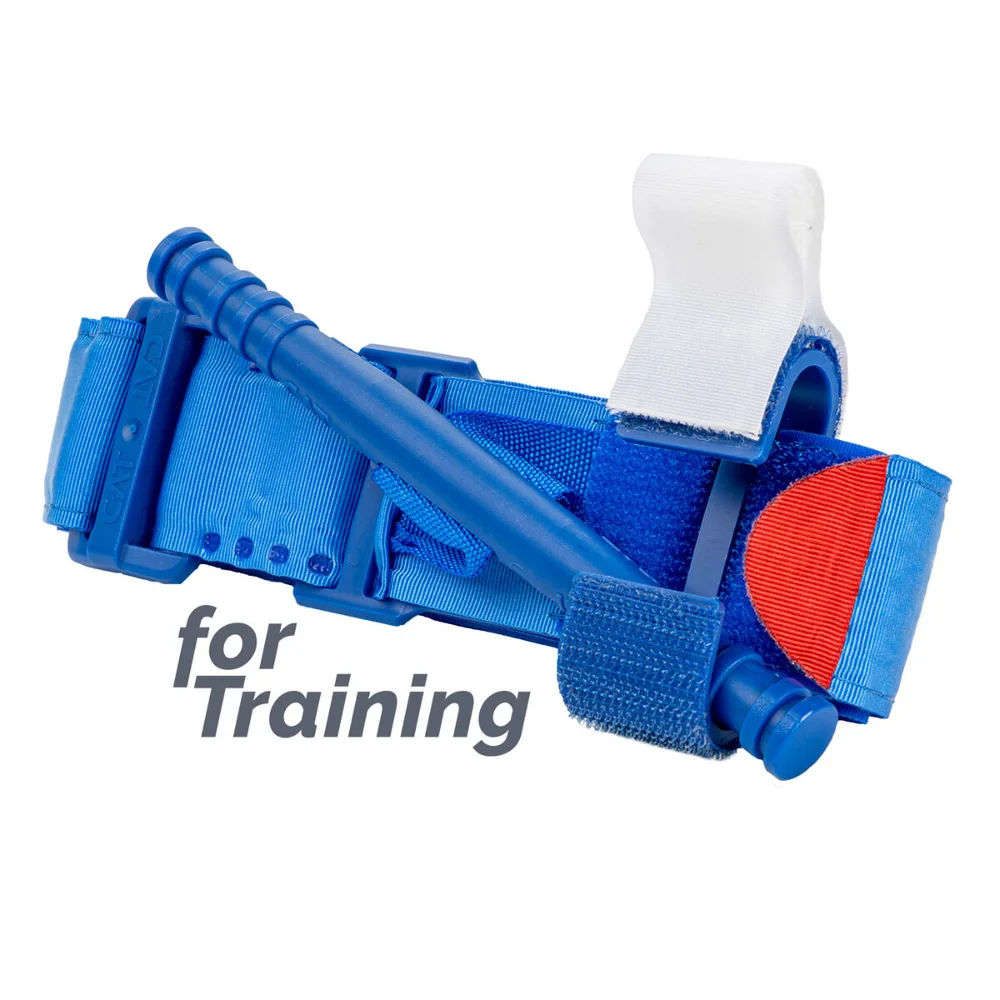
TCCC and Stop the Bleed both treat tourniquet application as a skill that decays, not a one-time briefing. NAR makes a fully functioning Gen 7 trainer in blue, built on the same windlass and strap mechanism as the operational device, so your medics can practice the real motion without putting a personal or issued device through repeated wear.
The blue color is the point: it gives instructors and students an unmistakable visual difference between a training device and the C-A-T that stays in someone’s IFAK for an actual casualty, so the two are never confused on a shelf or in a pouch.
TreeTac pairs C-A-T training with hands-on practice stations led by experienced instructors, scenario-based drills, and a structured debrief afterward, delivered at your site, range or operating environment, or at a dedicated training facility. The goal is the one TCCC sets: your team should be able to apply a C-A-T correctly under stress, not just describe how it works.
FAQs About the C-A-T Combat Application Tourniquet
Standardize Your Team on the C-A-T
Tell us what your unit needs, including how many C-A-Ts and which generation you are currently carrying, and TreeTac will come back with the right configuration and an official quote. Ask about pairing your order with Gen 7 trainers so your medics can practice on the same device they carry operationally.