
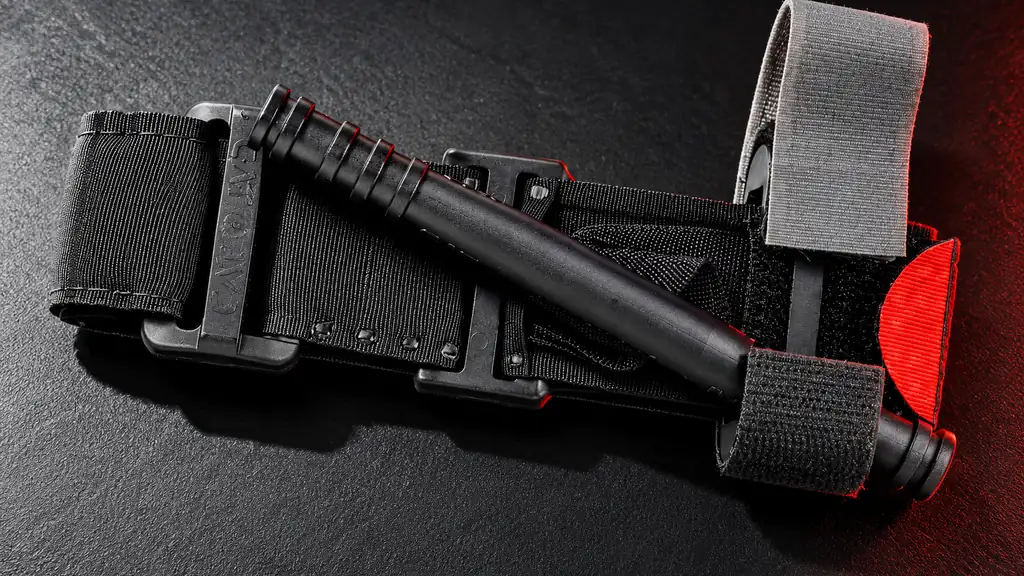
If your unit is checking what tourniquet is actually in each kit, you are probably looking at the CAT Tourniquet Gen 7, the current production version of the NAR C-A-T tourniquet from North American Rescue. The design has changed enough times since the Combat Application Tourniquet first entered service that two pouches in the same bag can hold different hardware. That matters whether you are restocking a kit, training new medics, or simply confirming what your team already carries. Before you standardize or retrain, it helps to know exactly what changed across C-A-T tourniquet generations and why mixing them without training on both is a real risk, not a technicality.
Why C-A-T Tourniquet Generations Matter When You Check a Kit
The Combat Application Tourniquet has gone through several design generations since North American Rescue started producing it, and the hardware inside the pouch has changed along the way. Knowing which generation you are holding is not a brand question. It changes how the strap routes through the buckle, how many windlass turns you need, and how the unit locks once you are done. A medic who trained on one generation and grabs another under stress can lose seconds they do not have.
What NAR Changed in the Current C-A-T Generation
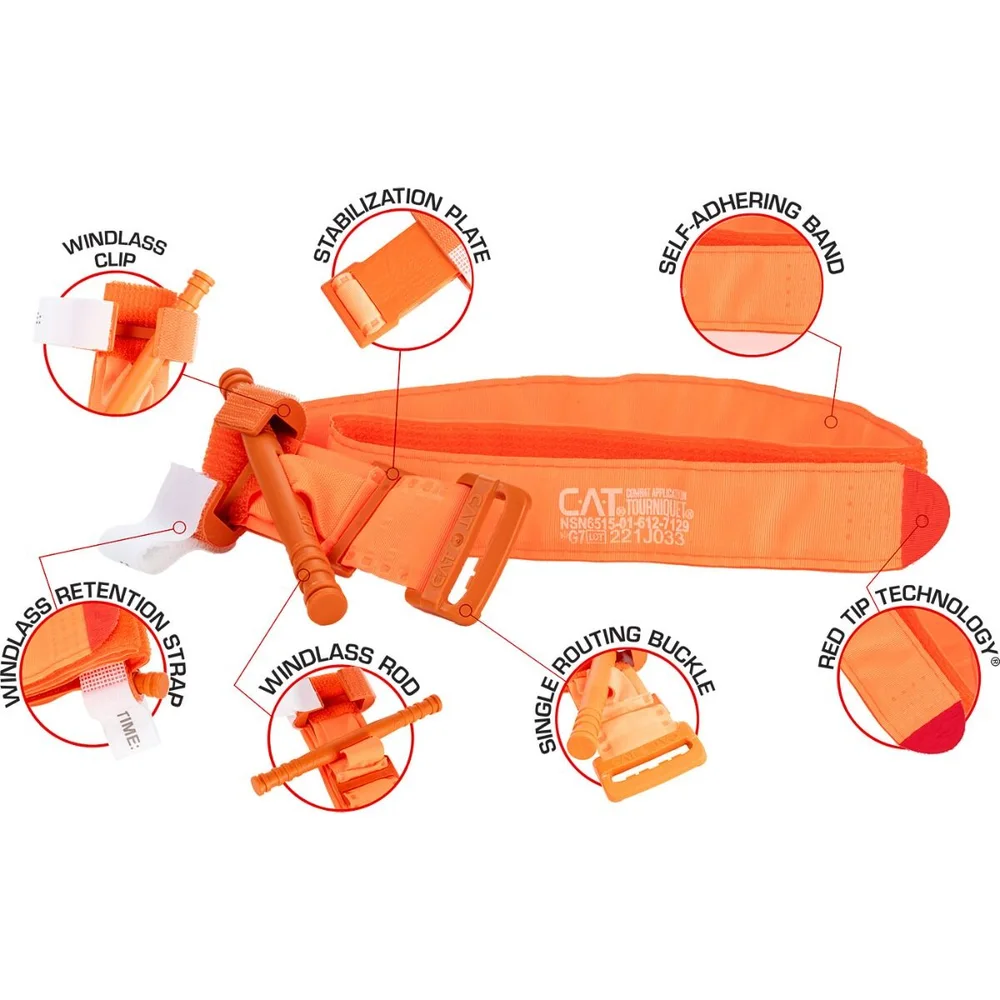
North American Rescue publishes the design features of the current C-A-T Gen 7 on its own product page. The windlass system still uses a free-moving internal band, so twisting the rod tightens that band evenly around the limb instead of just cinching the outer strap. Gen 7 adds a Single Routing Buckle meant to cut the steps needed to thread the strap and reduce the number of windlass turns before bleeding stops. The windlass rod is reinforced, the stabilization plate beneath it keeps pressure steady once it locks, and a windlass clip and NAR’s red elliptical tip round out the hardware that sets this generation apart.
None of those changes affect the tourniquet’s overall size, which matters if you are matching pouches to kit configurations you already carry.
That is the open length of the C-A-T Gen 7, with a 1.5 inch wide strap. It is long enough to route around a thigh over body armor padding or cold weather layers, which is exactly the spec a procurement officer should confirm before assuming every pouch in inventory holds an identical tourniquet.
Source: North American Rescue
If a tourniquet in your bag does not match that length, or the strap feels narrower, treat it as a different generation until you confirm otherwise.
Don’t Mix Generations Without Training on Both
TCCC and Stop the Bleed both treat tourniquet application as a trained skill, not something a medic figures out in the moment. That matters more once a team has more than one generation of C-A-T in rotation, because the strap routing, the number of turns before the windlass locks, and the feel of the clip can differ between an older unit and the current Gen 7. A medic who only drilled on one version and grabs the other during a real event is now improvising on a device they never practiced with.
If your inventory includes tourniquets purchased at different times, assume you have more than one generation on hand until you check. Pull a sample from each batch, lay them side by side, and walk your medics through the application sequence for each one specifically, not a generic refresher. Build that comparison into your next bleeding control drill so training matches what is actually in the kit, not what used to be in it.
How to Check What’s Actually in Your Kits
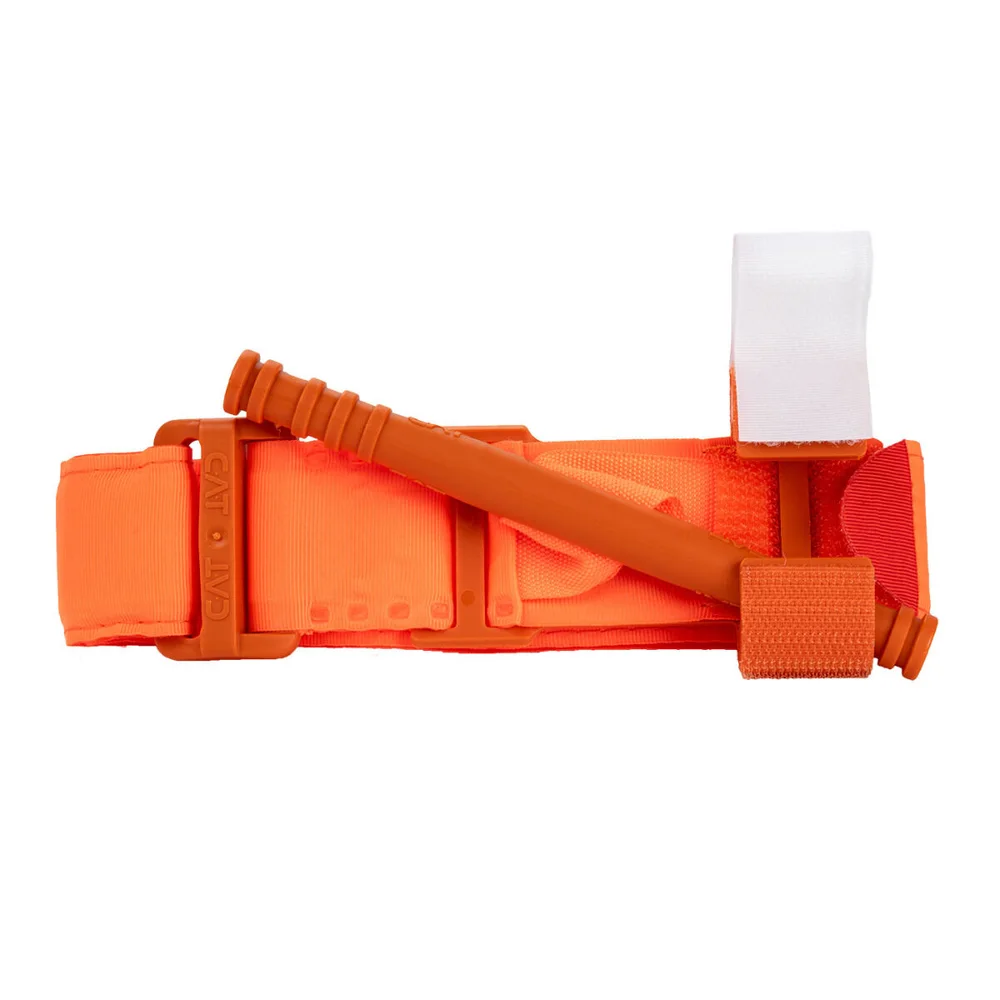
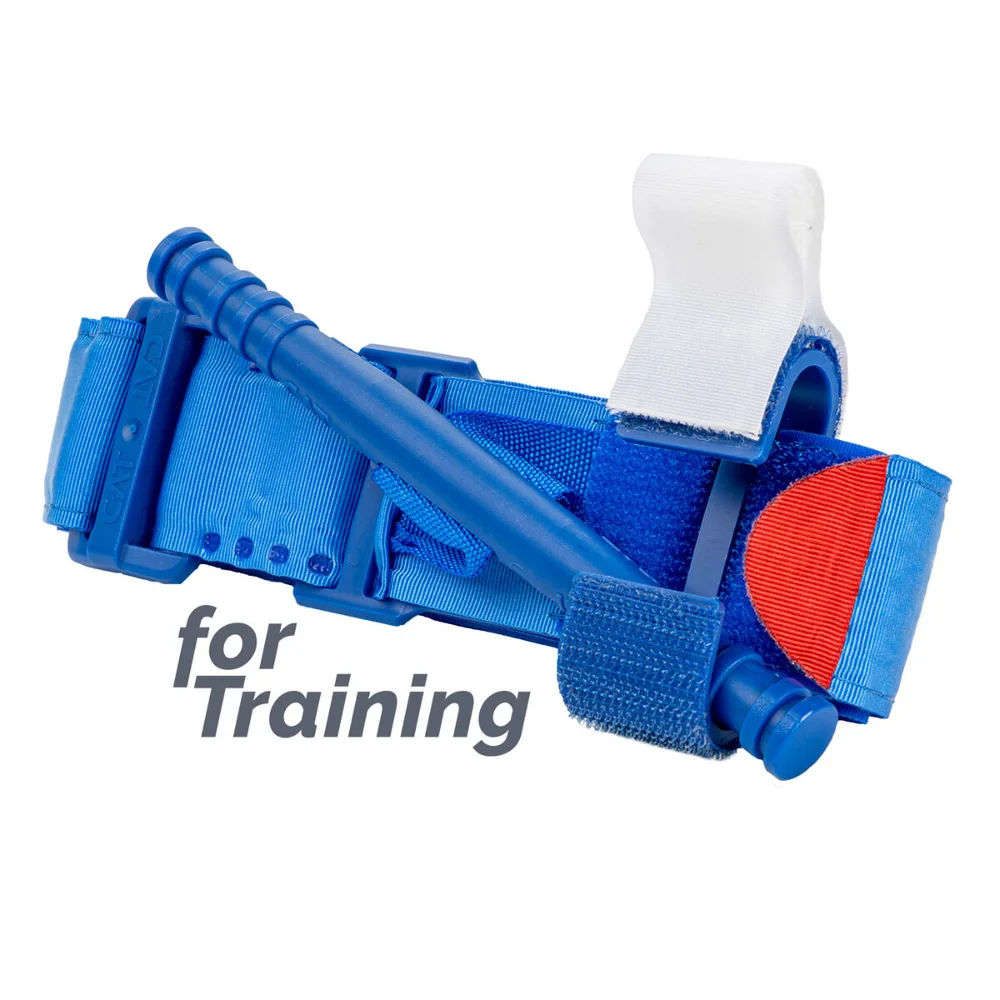
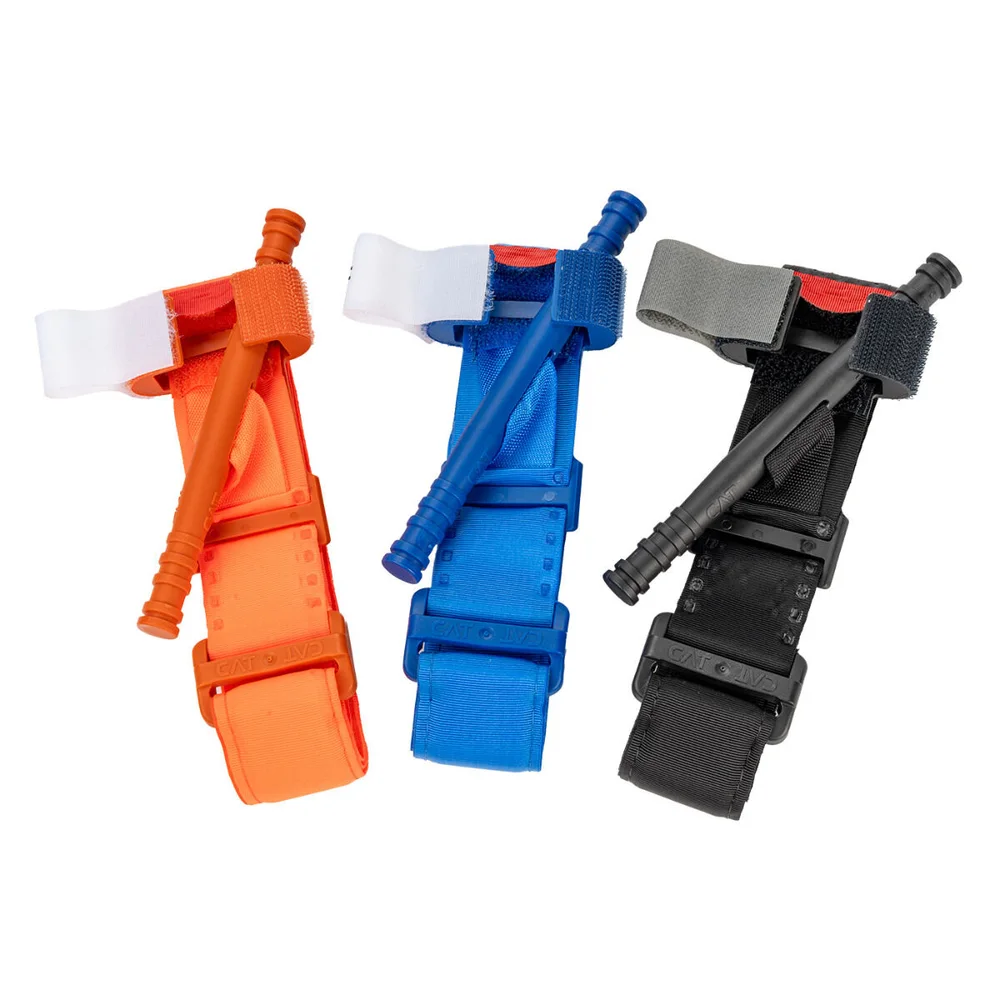
Checking generation and configuration by eye is faster than it sounds once you know what to look for. Current C-A-T Gen 7 units carry the red elliptical tip and the windlass clip described above; units without those features are an earlier design. Color matters for a different reason too: North American Rescue sells the operational C-A-T in black and orange, and a separate Trainer Blue version meant only for practice reps, not field use. Before you issue or restock a kit, confirm the color matches its intended role, and never let a training-marked unit end up in a deployable pouch.
If any kit comes back from inspection with a mix of generations or colors you cannot account for, flag it rather than guessing. TreeTac can confirm exact specifications and configuration for every C-A-T Tourniquet you order, so what is on your procurement sheet matches what ends up in the pouch.
FAQ: C-A-T Tourniquet Gen 7
For full specifications, color options, and how TreeTac supplies the C-A-T Tourniquet to your unit, visit the C-A-T Tourniquet page.